
2026-07-01 • BY D.T. Risenburg
The Secret Life of Neighborhood Cats
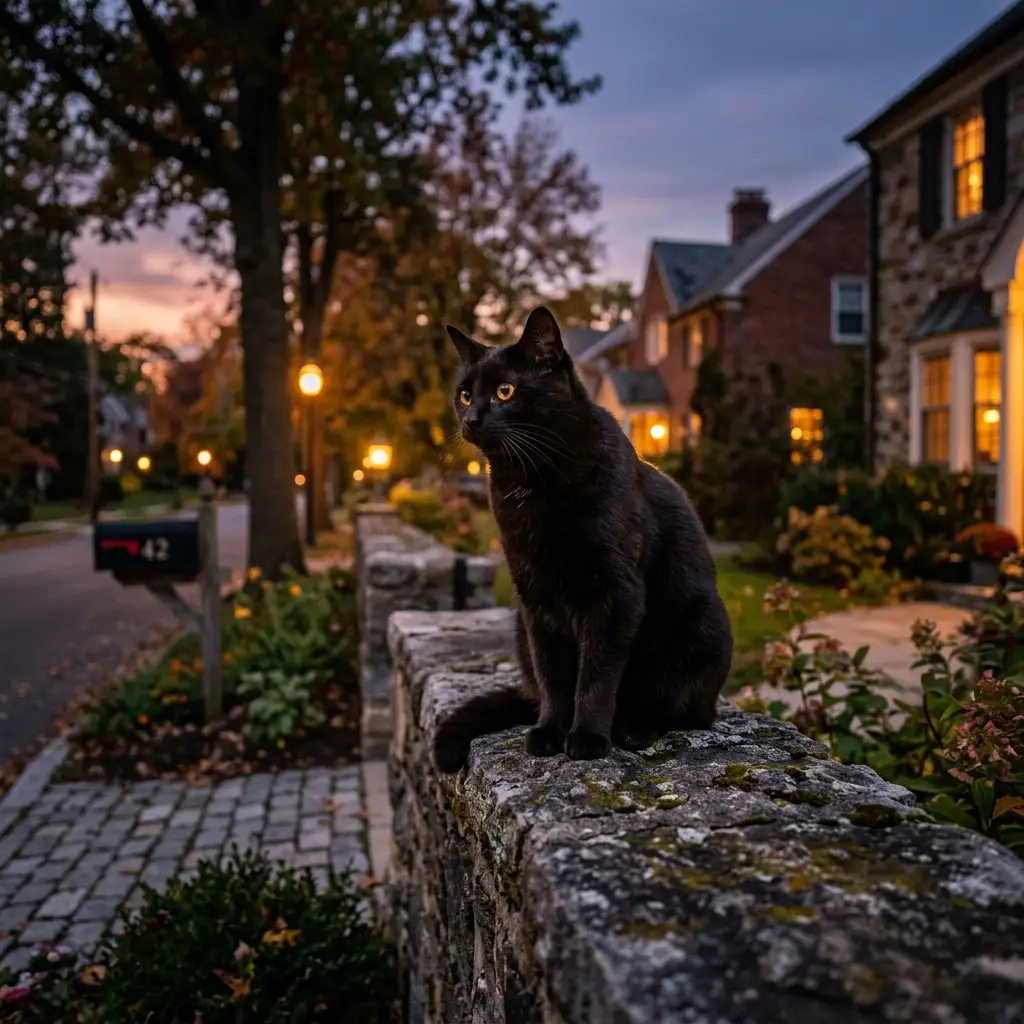
When the sun sets, the streetlights flicker on, and the neighborhood goes quiet, a completely different world awakens just outside your window. While most humans and dogs are settling in for the night—snoring softly on the living room rug—the local feline population is just beginning their shift.
Have you ever wondered what your indoor/outdoor cat actually does when they slip out the cat flap at midnight? Do they just sleep under a bush, or is there a hidden society operating in the shadows? The truth is a fascinating mix of strategic territorial patrols, wild predatory instincts, and complex social interactions that rival any neighborhood gossip circle. Let's pull back the curtain on the secret life of neighborhood cats.
The Nightly Patrol Route: Mapping the Turf
A strict schedule and precise boundaries.
Most outdoor cats establish a specific, meticulously mapped territory. This isn't just their own backyard; it often spans several houses, alleyways, garden walls, and sometimes even spans multiple blocks. Every single night, they walk this exact route to check for intruders and environmental changes. They are the unofficial security guards of the neighborhood.
As they patrol, they leave scent markers to communicate with other felines. They rub their cheeks against specific fence posts to deposit pheromones, and scratch tree trunks to leave visual and scent cues that say, "I am here, I am healthy, and this is my turf." This intricate network of scent posts is like a feline social media feed, constantly updated and checked by every cat in the area.
The Midnight Meetings: Feline Diplomacy
Time-sharing in the feline world.
Because neighborhood territories frequently overlap, cats have had to develop a system to avoid constant, exhausting physical fights. Believe it or not, cats often have designated meeting spots. If you've ever looked out a window at 2:00 AM and seen three or four cats sitting completely still in a loose circle on a driveway or cul-de-sac, you've witnessed a midnight meeting.
They aren't fighting, and they aren't planning a heist (probably). They are engaging in a practice known as time-sharing. Through silent staring, subtle ear flicks, and tail twitches, they negotiate who gets to hunt in the prime overlapping areas, and at what specific times. It's a tense, delicate diplomacy designed to establish the local hierarchy without resorting to injury.
The Hunt: Apex Predators in Miniature
Stealth, patience, and incredible biology.
Even the most pampered, well-fed housecat retains the instincts of an apex predator. The night provides the perfect cover for hunting. A cat's eyes are biologically built for crepuscular (twilight) and nocturnal activity. The tapetum lucidum—a highly reflective layer of tissue behind their retina—bounces light back through the eye, allowing them to see clearly in near-total darkness. To a cat, a dimly lit backyard looks as bright and detailed as a cloudy afternoon does to us.
Combined with their swiveling, satellite-dish ears that can pinpoint the rustle of a mouse in the grass, and their specialized whiskers that detect changes in air currents, they are unstoppable hunters. The nocturnal hunt is rarely about hunger for a pet cat; it's about fulfilling a deep-seated biological drive that keeps their minds sharp and their bodies agile.
The Sounds of the Night: Understanding Cat Calls
Yowls, chirps, and the silent meow.
While much of feline communication is based on scent and body language, the night is also filled with unique vocalizations. The sudden, hair-raising yowl you might hear isn't always a fight; it's often a territorial warning designed to intimidate an intruder into retreating without a physical scuffle.
Conversely, if you observe a cat hunting, you might hear a strange, stuttering "chirp" or "chatter." This usually occurs when a cat spots prey (like a moth or a bird on a low branch) that they cannot quite reach. It's an expression of predatory frustration, a fascinating glimpse into their wild ancestry.
The Safe Return: Dawn of the Sleep Cycle
Clocking out after a hard night's work.
As the sky begins to lighten and the birds start their morning chorus, the feline night shift comes to an end. After a long night of patrolling borders, negotiating treaties with the orange tabby down the street, and stalking shadows, the neighborhood cat returns home.
They slip quietly through the cat flap, find the warmest, softest sunbeam on the living room rug, and promptly fall asleep. They will likely sleep for the next 14 to 16 hours, presenting the picture of a lazy, pampered pet, leaving us completely unaware of the complex, thrilling adventures they experience while we dream.
Frequently Asked Questions
Do neighborhood cats meet at night?
Yes, neighborhood cats frequently hold peaceful "midnight meetings" in shared locations like driveways. They sit in loose circles and communicate non-verbally to establish hierarchies and manage territory boundaries through "time-sharing."
How far do outdoor cats roam at night?
While some outdoor cats stay close to home, others can roam up to several blocks or miles to patrol their territory, check scent markers, and hunt.
Why do cats yowl at night?
Nocturnal yowling is typically a form of vocal communication. It is most commonly used to warn other cats away from a territory, declare presence, or seek mates.
Explore More Woodland Adventures!
Join Dukey & Dudley on their quest, test your skills in the games room, or print mystery activity packs!